How Dust and Allergens Build Up in Window Treatments
Local contractors can effectively clean window treatments to remove dust and allergens that naturally accumulate over time, improving indoor air quality and overall cleanliness.
Understanding how dust and allergens build up in window treatments is an important step for property owners looking to maintain a healthier indoor environment. Over time, these particles can accumulate in blinds, curtains, and shades, often hidden from plain sight, which can contribute to allergy symptoms and indoor air quality concerns. For those managing homes or rental properties in the area, staying informed about this buildup can encourage proactive measures to keep living spaces clean and comfortable. Exploring how local contractors handle dust and allergen removal from window treatments can provide practical solutions for maintaining a fresh, allergen-free environment.
Many property owners find that regular cleaning of window treatments is a key part of managing indoor air quality, especially for households with allergy sufferers or respiratory sensitivities. Local service providers who specialize in dust and allergen window treatment cleaning offer tailored solutions to help remove accumulated particles effectively. Connecting with these experienced professionals can make a noticeable difference in reducing allergens and maintaining a cleaner living space. Keep reading to discover more about how dust and allergens build up and how local experts can assist in keeping window treatments in top condition.
- **Dust and allergen window treatment cleaning** - homeowners noticing increased allergy symptoms may need this service to remove accumulated dust and allergens from their window coverings, which local contractors can thoroughly clean.
- **Dust and allergen window treatment cleaning** - after seasonal changes or long periods without cleaning, local service providers can help eliminate built-up dust that can worsen respiratory issues.
- **Dust and allergen window treatment cleaning** - in homes with pets or smokers, local pros can address the higher levels of dust and allergens that settle into window treatments over time.
- **Dust and allergen window treatment cleaning** - when window treatments appear visibly dusty or stained, local contractors can effectively clean and refresh them to reduce allergen buildup.
- **Dust and allergen window treatment cleaning** - during allergy season or after home renovations, local service providers can help minimize dust and allergens trapped in window coverings for healthier indoor air.


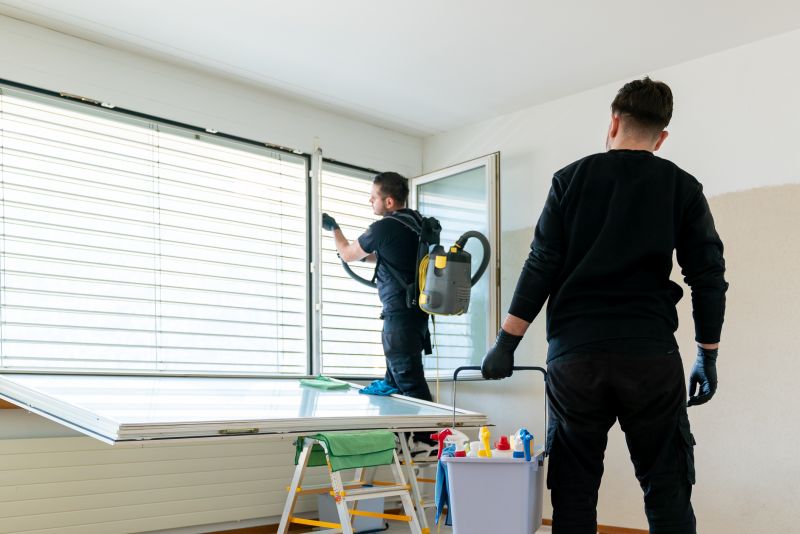
When searching for information about how dust and allergens build up in window treatments, most people are concerned about indoor air quality and the health effects associated with accumulated particles. Over time, window coverings such as blinds, shades, curtains, or drapes can trap dust, pollen, pet dander, and other allergens. These particles settle into the fabric or hard surfaces of window treatments, making them a hidden source of indoor allergens that can worsen allergy symptoms or respiratory issues. Homeowners often look for insights into why their window coverings seem dusty despite regular cleaning, or how these accumulations might impact the overall cleanliness of their living spaces.
This topic is frequently connected to broader plans for maintaining a healthy, comfortable home environment. Many property owners consider cleaning or replacing window treatments as part of their routine upkeep or allergy management strategies. For those with allergies, asthma, or sensitivities, understanding how dust and allergens collect in window coverings can inform decisions about regular cleaning or choosing specific types of treatments that are easier to keep allergen-free. It also relates to long-term property maintenance, especially in homes with children, pets, or residents who spend a lot of time indoors. Addressing buildup in window treatments becomes an integral step in creating a cleaner, healthier living space.
The types of properties where this issue commonly arises include residential homes, apartments, condominiums, and even some commercial spaces like offices or clinics. In homes, especially those with heavy foot traffic or pets, dust and allergens tend to settle more quickly on window treatments. Apartments often have shared ventilation systems that circulate dust, increasing buildup on window coverings over time. Commercial spaces with large windows or extensive drapery may also experience significant accumulation, requiring specialized cleaning. The nature of the property-its size, occupancy, and ventilation-can influence how quickly dust and allergens build up in window treatments and how often they need professional cleaning.
Local service providers specializing in window treatment cleaning can play a key role in managing this buildup. They offer professional cleaning solutions that remove dust, pollen, pet dander, and other allergens from various window coverings, helping improve indoor air quality. These experts understand how different types of treatments-such as fabric curtains, Venetian blinds, or cellular shades-require specific cleaning methods to effectively eliminate buildup without damage. For homeowners planning regular maintenance or dealing with allergy concerns, connecting with experienced local contractors can ensure that window treatments are properly cleaned, contributing to a healthier, more comfortable living environment.
Upholstery Cleaning - upholstery cleaning involves removing dust, allergens, and debris from fabric surfaces, similar to cleaning window treatments to reduce buildup and improve indoor air quality.
HVAC Duct Cleaning - this service focuses on removing dust and allergens from air ducts, which complements efforts to prevent accumulation in window treatments and maintain healthier indoor environments.
Curtain and Blind Restoration - professionals specializing in curtain and blind restoration handle cleaning and repairing fabric and material surfaces, addressing dust and allergen buildup similar to window treatment cleaning.
Carpet Cleaning - carpet cleaning involves deep cleaning techniques that eliminate dust and allergens, skills applicable to cleaning window treatments with fabric or soft surfaces.
Allergen Testing and Removal - these services identify sources of indoor allergens and help reduce them, aligning with cleaning practices that target dust accumulation in window treatments.
Interior Dusting Services - comprehensive dusting services cover various surfaces, including window sills and blinds, helping to minimize dust buildup that contributes to allergens in window treatments.
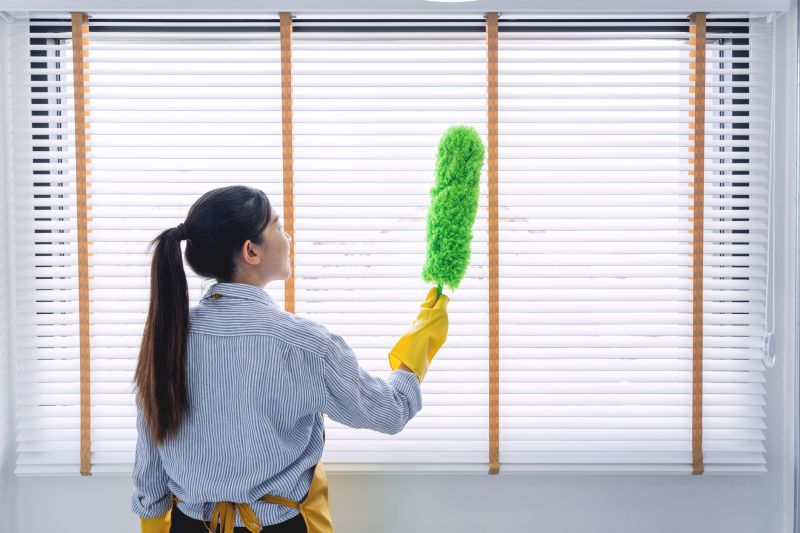
When comparing local contractors for dust and allergen window treatment cleaning, it is important to consider their experience with similar projects. A service provider who has handled a variety of window treatment types and sizes can better address the specific challenges posed by dust and allergen buildup. Asking about their background in cleaning different materials, such as blinds, curtains, or drapes, can offer insight into their familiarity with the task. Experience often correlates with a more thorough and efficient cleaning process, which is essential for effectively reducing allergens and preventing future buildup.
Clear written expectations are vital when evaluating potential service providers. Homeowners should seek detailed descriptions of the cleaning process, including what types of treatments are used, the scope of work, and any preparation needed beforehand. Transparent communication about what the service includes helps prevent misunderstandings and ensures that the homeowner’s concerns about dust and allergens are addressed. Service providers who can articulate their approach and set realistic expectations demonstrate professionalism and a focus on customer satisfaction.
Reputable references and good communication are key factors in choosing a reliable contractor. Asking for references or reviews from previous clients can provide insight into the quality of work and the level of customer service offered. A contractor who responds promptly and clearly to questions, and who listens carefully to specific concerns about dust and allergen buildup, is more likely to deliver a positive experience. Effective communication helps ensure that expectations are aligned and that the cleaning process meets the homeowner’s needs for a healthier living environment.
Property owners often search for how dust and allergens build up in window treatments when they are planning practical projects around their homes and businesses. Local pros provide Dust and Allergen Window Treatment Cleaning services for everyday jobs and straightforward project options.


Dust and allergens tend to accumulate in window treatments over time, especially in homes where windows are frequently opened or in areas with higher levels of outdoor particles. Fabric curtains, blinds, and shades can trap dust, pet dander, pollen, and other airborne allergens, making them a common source of indoor allergens. Regular exposure to these particles can affect indoor air quality and may trigger allergy symptoms or respiratory issues, prompting property owners to seek professional cleaning services to maintain a healthier living environment.
In many cases, simple daily activities like opening windows, pet movement, or even dust circulation within a home contribute to the buildup of allergens in window coverings. Over time, these particles can embed deep into fabric or settle into the surfaces of blinds and shades. Local contractors who specialize in dust and allergen window treatment cleaning have the tools and expertise to thoroughly remove these contaminants. Property owners often look for these services to help improve indoor air quality and keep their living spaces cleaner and more comfortable.
How do dust and allergens accumulate in window treatments? Dust and allergens settle on window treatments through everyday air circulation, settling into fabrics, blinds, and other surfaces over time, especially in areas with higher indoor activity.
Why are window treatments a common source of allergen buildup? Window treatments often trap dust, pet dander, pollen, and other airborne particles, making them a significant source of allergens in indoor environments.
How can local contractors help reduce dust and allergens in window treatments? Professional cleaning services can thoroughly remove dust and allergens from various window treatment types, improving indoor air quality and reducing allergen exposure.
What types of window treatments are most prone to dust accumulation? Fabric curtains, drapes, and woven blinds tend to trap more dust and allergens, while hard surfaces like shutters and metal blinds are easier to clean but can still collect airborne particles.
How often should window treatments be cleaned to prevent allergen buildup? Regular cleaning, typically every few months, helps prevent excessive dust and allergen accumulation, with professional cleaning providing a more thorough removal.
Understanding dust accumulation - Recognizing how dust and allergens settle in window treatments can help property owners plan regular cleaning with local contractors.
Choosing appropriate cleaning methods - Selecting the right cleaning techniques can reduce allergen buildup, making professional dust and allergen window treatment cleaning services more effective.
Scheduling routine cleanings - Establishing a regular cleaning schedule with local service providers can prevent excessive dust and allergen buildup over time.
Using protective measures - Implementing preventative steps like dust barriers or treatments can complement professional cleaning efforts to keep window treatments cleaner longer.
If you are thinking about how dust and allergens build up in window treatments for a property, this guide is meant to help you understand this topic, the typical project types, and how different options might fit your plans.
When you are ready, you can use the quote form on this page to share a few details about your project. From there, local pros can review the basics and follow up with options that match what you have in mind.